 AlpacaKeep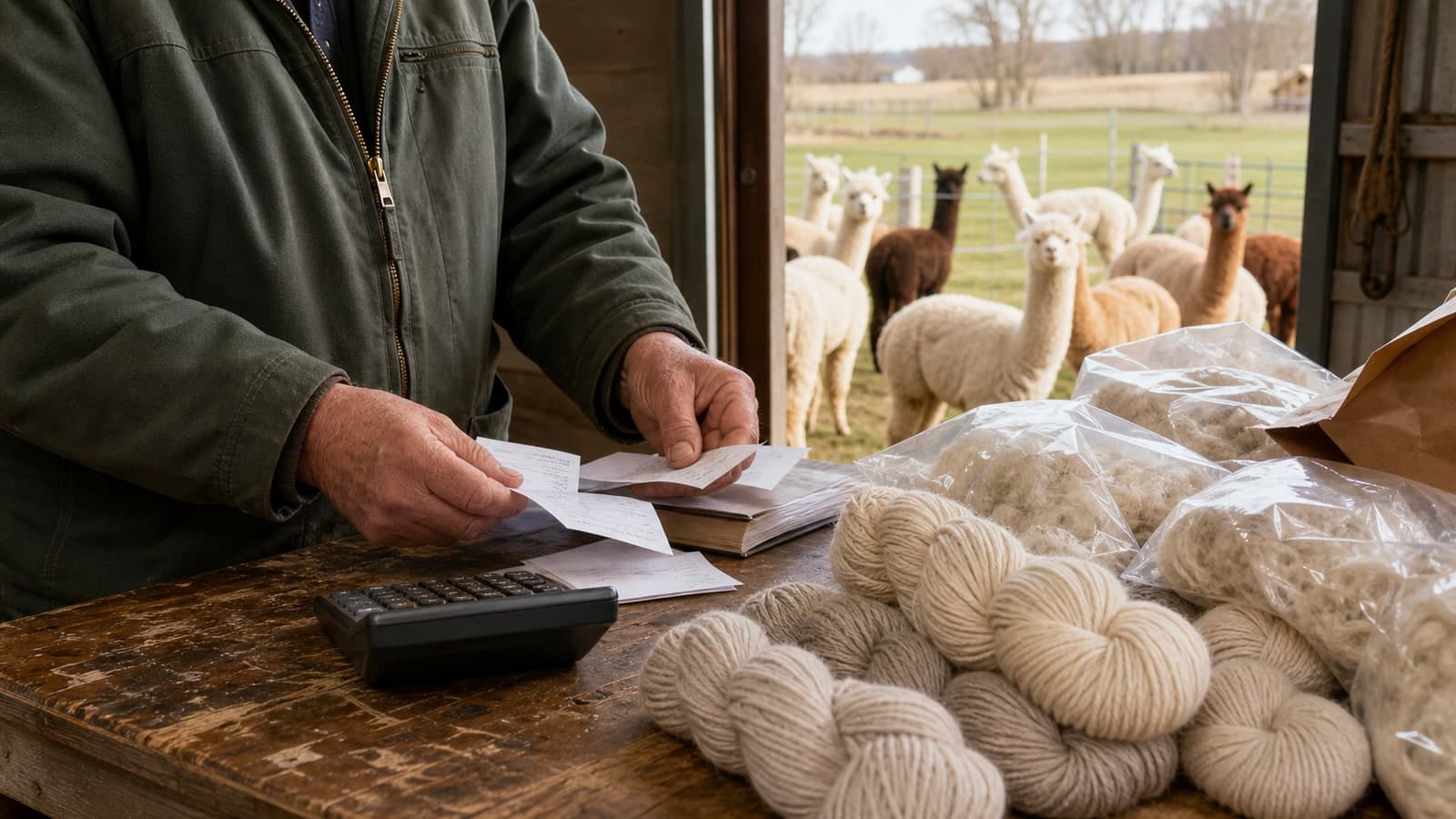
So you have fallen for those soft, doe-eyed faces and now you are doing the maths in your head. The honest question underneath the daydream is a simple one: are alpacas profitable? It is the right thing to ask before you buy, and the answer deserves more than a brochure-style "yes".
Here is the short version. Alpacas can be profitable, but almost never passively, and almost never quickly. The farms that genuinely make money treat it as a business, stack several income streams on top of each other, and keep a close eye on their numbers. A few pets in a paddock selling raw fleece will not pay for themselves. Let's walk through where the money actually comes from, and what it really costs to get there.
How Do Alpaca Farmers Make Money?
There is no single "alpaca income". Profitable farms run several revenue streams at once, and the mix matters more than any one of them.
- Breeding-stock and cria sales. This is where the real money sits. A well-bred cria from proven genetics is worth far more than a year of fleece, and selling quality breeding animals is the backbone of most successful operations.
- Raw fiber. Be honest with yourself here: raw fleece on its own earns very little. It is a by-product you would harvest anyway, not a business plan.
- Value-added products. This is where fiber gets interesting. Turn that fleece into yarn, hats, scarves, or duvets and the same clip can be worth many times more. The work is yours, but so is the margin.
- Stud services. A proven herdsire with excellent fleece and show wins can earn stud fees from outside females, year after year, without you selling the animal.
- Agritourism and trekking. Walks, farm visits, birthday parties, and "alpaca therapy" sessions have quietly become one of the most reliable earners for small farms, because you are selling an experience, not a kilogram of anything.
The pattern across every profitable farm is the same: no single stream carries the business. Breeding pays the big bills, fiber adds margin, and tourism smooths out the cash flow in between.
The Cost Side Nobody Puts on the Brochure
Every honest profit conversation starts with the costs, and there are two kinds: the big one-time outlay and the steady drip of recurring expenses.
The upfront herd cost ranges enormously, from a few hundred for a pet gelding to well over five figures for elite breeding genetics. We cover the full breakdown in our guide to how much an alpaca costs, so we won't repeat the price tables here. The headline is that the animals are often the smaller part of your start-up bill. Fencing, shelter, and basic equipment typically run into the thousands before a single alpaca arrives.
Then come the recurring costs, and these never stop:
- Feed, mostly good hay, topped up with minerals and a little pellet feed.
- Vet care, routine vaccinations and worming, plus the inevitable emergency.
- Shearing, once a year, every year, whether or not you sell the fleece.
- Insurance on valuable breeding animals, and the registry fees that keep their papers current.
None of these scale away. Whether your herd earns or not, it still eats, still needs shearing, and still visits the vet. That is the part that turns a casual hobby into a genuine business decision.
A History Lesson: The Alpaca Bubble
If you research alpaca prices for long enough, you will trip over eye-watering numbers from the mid-2000s, and you need the context. Between roughly 2005 and 2009 the industry rode a speculative alpaca bubble, where animals were sold to investors largely on the promise that their offspring would sell for ever-higher sums. When that promise stopped compounding, prices corrected, hard.
The lesson is not that alpacas are worthless. It is that value has to be grounded in something real, fleece quality, proven genetics, an actual market for the animal, rather than in the hope of reselling at a markup. There is still serious money at the very top of the market, as our look at the most expensive alpaca ever sold makes clear, but those prices are earned through championship records and lab-tested fleece, not hype.
Quality Is What Drives Price
Here is the single most important thing to internalise: in alpacas, quality, not quantity, drives profit. Ten mediocre animals will lose you money. Two exceptional ones can carry a small operation.
What separates a €600 animal from a €6,000 one is fleece fineness (measured in microns), the evenness of that fleece across the body, conformation, and a pedigree that proves the animal will pass those traits on. This is why your first buying decisions matter so much, and why we point beginners towards starting with the best alpaca breed and type for their goals. Buy cheap, breed cheap, and you will spend years selling cheap. Buy quality and you give yourself something worth selling.
Break-Even and the Realistic Timeline
Let's talk numbers honestly. How many alpacas do you need to make a profit? There is no magic count, but a few patterns hold up.
A herd of three to six is a genuine pleasure and, run properly, a tax-deductible one, but it rarely clears a real profit on its own. The economics start to work when a breeding herd reaches the dozens, ideally paired with processing or tourism income so you are not relying on animal sales alone.
And the timeline is measured in years, not months. Between the upfront herd and infrastructure cost, a gestation of roughly 11.5 months before your first cria even arrives, and the time it takes to build a reputation buyers trust, most farms are several years in before income reliably overtakes outgoings. Anyone promising faster is selling you the bubble.
The Quiet Difference: Records and Tax
Here is the part that separates the farms that profit from the farms that merely spend. The difference is almost always record-keeping.
If you can show clean records, of every cost, every breeding, every fleece result, two things happen. First, you can actually see whether the farm is paying for itself, instead of guessing. Second, in most countries a properly run alpaca operation is a legitimate business with deductible expenses, and that treatment depends entirely on you keeping the kind of records a tax authority will accept. The farmer with a shoebox of receipts and the farmer with organised books are running two very different businesses, even with identical herds.
That is exactly why we built AlpacaKeep, a herd-management tool that tracks your costs, breeding, and fiber data in one place, so you can finally answer "is this farm actually profitable?" with a number instead of a shrug. The software is live on our own farm, but you don't have to wait to get organised. Join the AlpacaKeep early access list to claim your spot.
Where to Go From Here
If the economics make sense to you and you are ready to plan the operation itself, our companion guide on how to start an alpaca farm walks through the practical steps, land, herd structure, and the first-year decisions that set the tone for everything after.
Are alpacas profitable? They can be, for the farmer who treats them as a business, stacks their income streams, buys quality, and keeps honest books. Go in with open eyes, and these remarkable animals can absolutely pay their way.
Sources & Further Reading
- Farmonaut. Alpaca Farming Profitability: Sales & Fiber Market Insights.
- Alpaca Owners Association (AOA). EPD Trait Descriptions & Genetic Valuation.
- Inca Alpaca. Alpaca Economics and Frequently Asked Questions.
- Cotton Creek Farms. Alpaca Cost and Understanding the True Expense of Care.
- The Cape Coop. How Much Does It Cost to Raise Alpacas?